Autism Spectrum Disorder and Dental Care in Children: Helping Children Feel Comfortable
Every child experiences the dental office differently. For children on the autism spectrum, new environments, sounds, and sensations can feel overwhelming. Understanding autism and dental care for children helps parents and dental providers create a more supportive and positive experience.
Autism Spectrum Disorder and Dental Care: Understanding Autism Spectrum and Behavior
Autism spectrum disorder (ASD) is a developmental condition that affects how children communicate, process sensory information, and interact with their environment.
Children on the spectrum may:
- Be more sensitive to sounds, lights, or touch
- Prefer routine and predictability
- Experience anxiety in new environments
- Have difficulty expressing discomfort or needs
Many of the behaviors seen during dental visits are not behavioral challenges, but responses to sensory input, communication differences, or changes in routine.
Why Dental Visits Can Feel Overwhelming
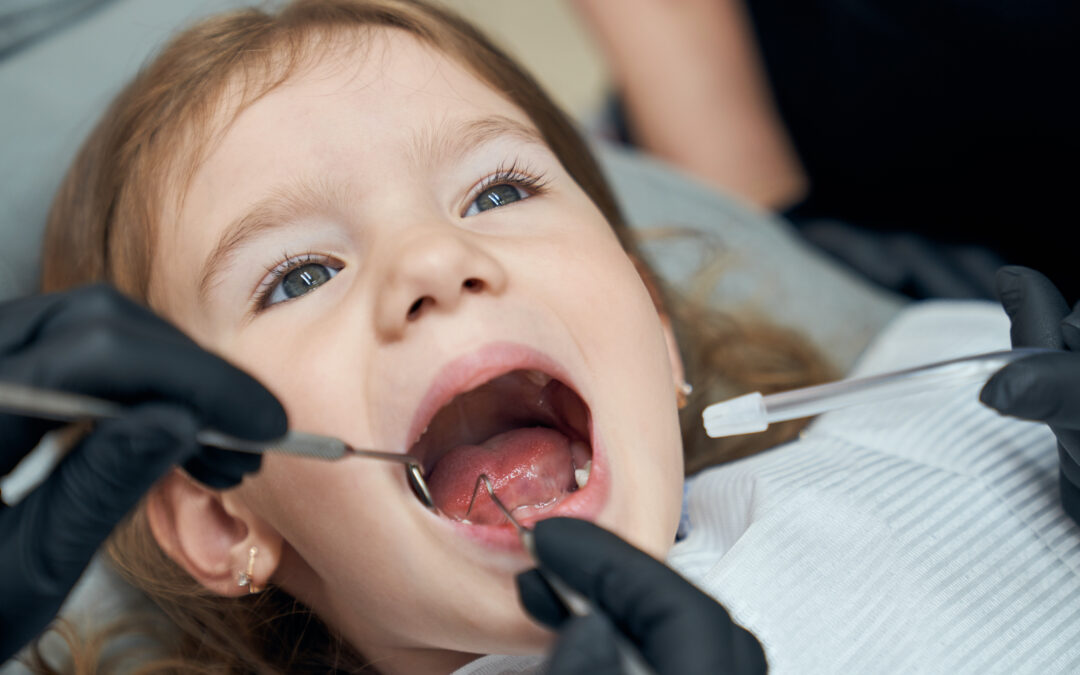
he dental environment includes multiple sensory experiences at once:
- Bright overhead lights
- Unfamiliar sounds and vibrations
- New tastes and sensations
- Close contact around the face and mouth
For children with sensory sensitivities—especially in the oral area—this combination can feel intense or overwhelming. Understanding this helps guide a more patient, flexible approach to care.
The Role of Routine and Predictability
Children on the autism spectrum often do best with structure and predictability. A new or unfamiliar experience, like a dental visit, can disrupt that sense of routine and increase anxiety.
Providing consistent, gradual exposure to the dental environment can help children feel more comfortable over time.
Dental Considerations for Children on the Spectrum
Children with autism may have unique dental needs, such as:
- Increased sensitivity to oral stimulation
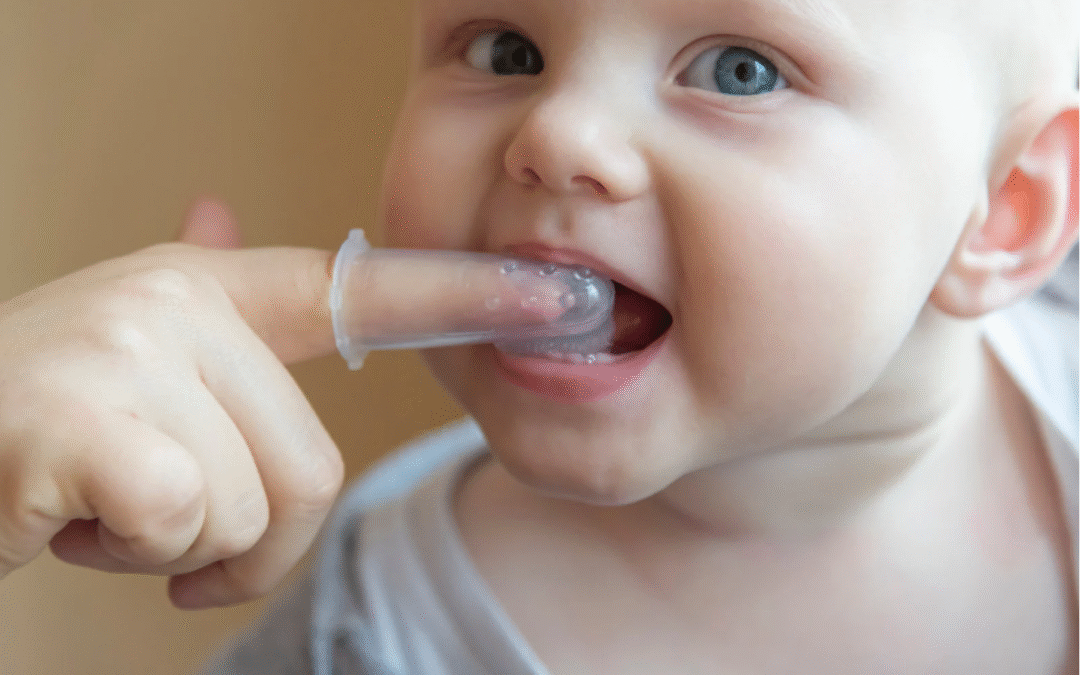
- Difficulty tolerating brushing or dental exams
- Dietary preferences that may affect cavity risk
- Oral habits like grinding or chewing
- Challenges with communication during discomfort
Each child is different, so dental care should always be individualized and flexible.
When Should Parents Seek an Evaluation?
Preventive care is especially important for children who may have difficulty tolerating more complex treatment later.
Desensitization—gradually introducing the dental environment—is one of the most effective approaches. This may include:
- Short, low-pressure visits
- Sitting in the chair without treatment
- Slowly introducing instruments and sensations
- Repeating positive experiences over time
These small steps help build trust, familiarity, and confidence.
How We Approach Dental Care at Our Office
At Pediatric Dental Arts, we take a gentle, individualized, and sensory-aware approach.
We focus on:
- Moving at the child’s pace
- Using calm, simple communication
- Reducing sensory overload when possible
- Breaking visits into small, manageable steps
- Using positive reinforcement to build confidence
Some children may also benefit from calming strategies such as familiar comfort items or gentle pressure-based input that helps them feel more secure.
Our goal is not just to complete treatment, but to create a positive experience that supports long-term oral health.
The Importance of a Team Approach
Supporting children on the spectrum often involves collaboration. Working together with parents, pediatricians, therapists, and other specialists helps create a more consistent and supportive experience for the child.
How Parents Can Help at Home
Parents play an important role in preparing children for dental visits.
Helpful strategies include:
- Talking about the visit in simple, positive terms
- Practicing opening the mouth and counting teeth at home
- Using books or videos to introduce the dental setting
- Bringing a favorite comfort item to the appointment
- Scheduling visits at times when your child is most relaxed
- Keeping routines as consistent as possible
Even small steps can make a meaningful difference.
Why Prevention Matters
Preventive care helps reduce the need for more complex dental treatment, which may be more challenging for some children to tolerate.
Regular dental visits, good home care, and early guidance help support a smoother experience over time. For more information on good home care click here!
For more information of Fluoride and alternative options click here!
Frequently Asked Questions About ASD and Dental Care
Do children with autism need special dental care?
Not always, but many benefit from a more individualized, sensory-aware approach that considers their comfort and communication needs.
Why are dental visits harder for children on the spectrum?
Dental visits can involve sensory input, unfamiliar environments, and changes in routine, which may feel overwhelming for some children.
What is desensitization in dentistry?
Desensitization is a gradual process where children are introduced to the dental environment step by step to help them feel comfortable over time.
How can I prepare my child with autism for the dentist?
Using simple explanations, practicing at home, maintaining routines, and choosing a calm, supportive environment can help make visits easier.
What if my child cannot tolerate a dental exam?
Some children need multiple short visits to build comfort. A gradual, supportive approach can help improve tolerance over time.
From the Tooth Fairy
Children on the autism spectrum may experience dental visits differently, but with patience, understanding, and a supportive approach, they can have positive and successful experiences.
Many behaviors seen during dental visits are responses to sensory input or changes in routine—not intentional resistance. With early exposure, desensitization, and individualized care, children can build comfort and confidence over time.
If you have questions about your child’s needs or how to prepare for a visit, we’re always here to help.