Diet and snacking habits play a major role in oral health. Understanding how diet and snacking affect your child’s teeth can help parents make informed choices that reduce cavity risk and support healthy smiles.
The foods children eat and how often they snack and directly impact tooth enamel. When sugars and carbohydrates are consumed, bacteria in the mouth produce acids that weaken enamel. Over time, repeated exposure explains how diet and snacking affect your child’s teeth and contribute to cavities.
This process happens with more than just candy. Crackers, juice, dried fruit, and frequent snacking all play a role in how diet and snacking affect your child’s teeth.
Why Frequent Snacking Affects Your Child’s Teeth
Each time a child eats or drinks something other than water, acids attack the teeth for about 20–30 minutes. When children snack frequently, their teeth don’t have enough time to recover between acid attacks.
This is one of the most important reasons why diet and snacking affect your child’s teeth more than parents often realize. Reducing grazing and spacing out meals helps protect enamel.
Foods That Affect Your Child’s Teeth the Most
Certain foods increase cavity risk when eaten often. These foods show clearly how diet and snacking affect your child’s teeth:
- Sticky snacks like gummies, fruit snacks, and dried fruit
- Sugary drinks such as juice, soda, and sports drinks
- Starchy snacks like crackers, pretzels, and chips
- Frequent sipping from bottles or sippy cups
These foods aren’t forbidden frequency and timing determine how strongly diet and snacking affect your child’s teeth.
Tooth-Friendly Foods That Protect Your Child’s Teeth
Choosing tooth-friendly foods can reduce the negative effects of diet on enamel. These foods help counter how diet and snacking affect your child’s teeth:
- Cheese and yogurt
- Fresh fruits and vegetables
- Nuts (if age-appropriate)
- Meals eaten at set times rather than constant snacking
Drinking water between meals instead of sweetened beverages also reduces how diet and snacking affect your child’s teeth.
How Snacking Habits Affect Your Child’s Teeth Over Time
Snacking habits established early often continue into later childhood. Teaching structured meal times, pairing snacks with water, and limiting sugary snacks helps minimize how diet and snacking affect your child’s teeth long-term.
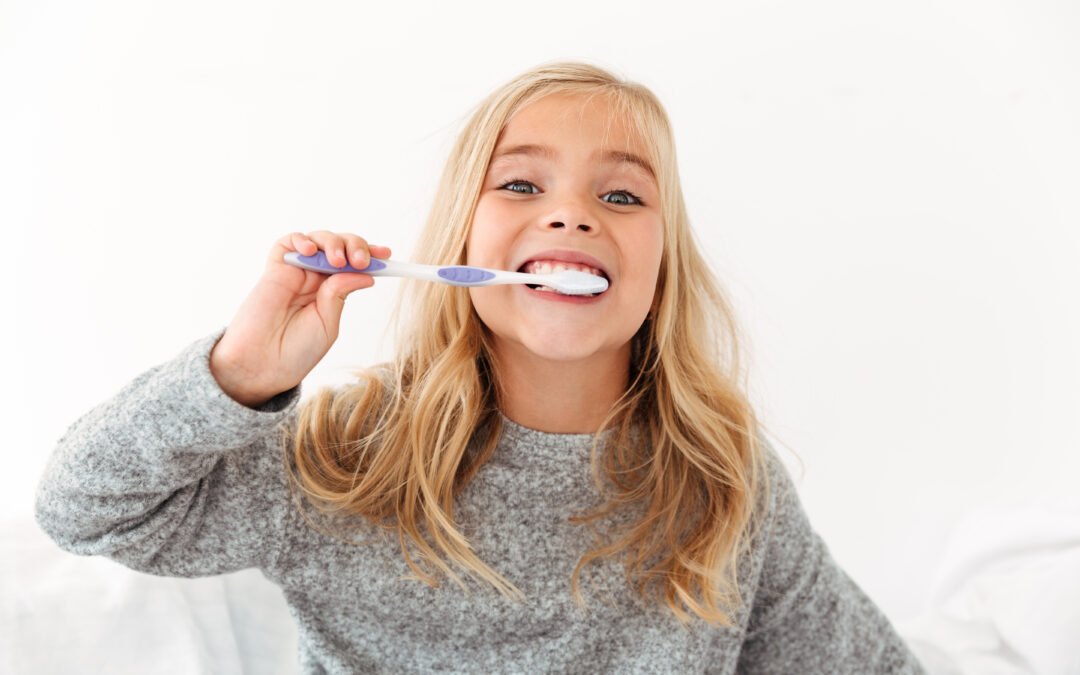
Good daily brushing habits are also essential. You can read our tips for brushing little teeth from toddlers to tweens to support healthy routines at home.
How Your Pediatric Dentist Evaluates Diet and Snacking Effects
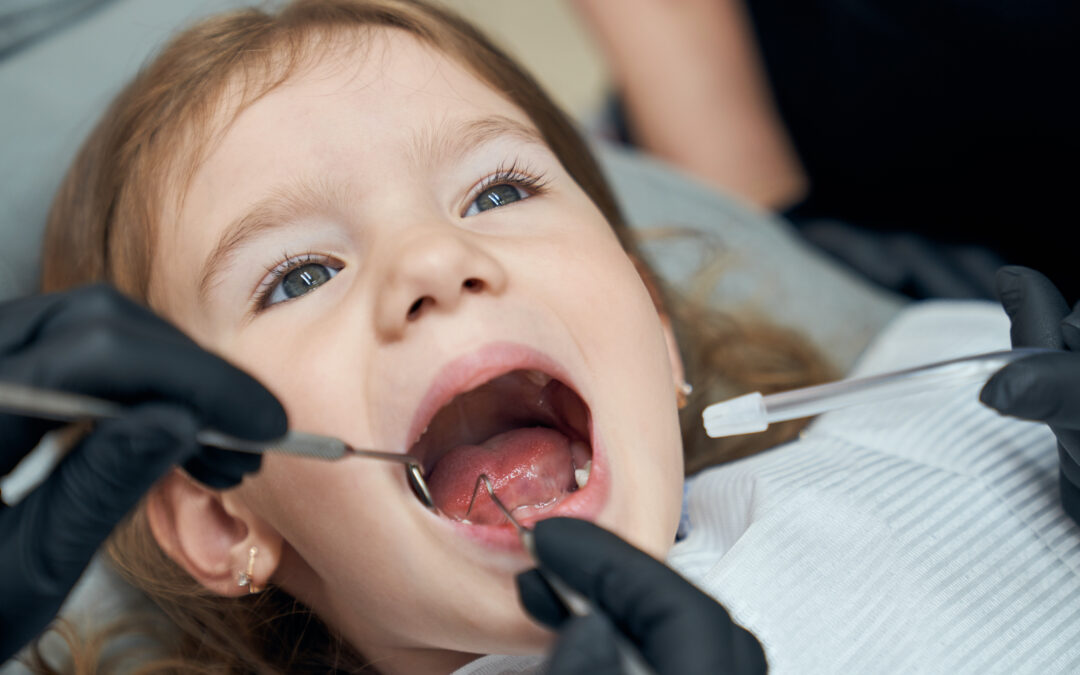
During routine visits, your pediatric dentist assesses cavity risk by looking at oral hygiene, tooth development, and diet. This personalized approach helps determine how diet and snacking affect your child’s teeth and allows for customized prevention strategies.
Frequently Asked Questions About How Diet and Snacking Affect Your Child’s Teeth
How does diet and snacking affect my child’s teeth?
Diet and snacking affect your child’s teeth by increasing how often teeth are exposed to sugars and acids. Frequent snacking gives cavity-causing bacteria more opportunities to weaken enamel, which can lead to tooth decay over time.
Do sugary snacks affect children’s teeth more than other foods?
Yes. Sugary and sticky snacks tend to stay on teeth longer, which allows bacteria to produce more acid. This is one of the main ways diet and snacking affect your child’s teeth and increase cavity risk.
Is frequent snacking worse than eating sweets at meals?
In many cases, yes. Eating sweets with meals limits acid exposure to a shorter time period, while frequent snacking causes repeated acid attacks. This pattern strongly influences how diet and snacking affect your child’s teeth.
Are juice and sports drinks bad for children’s teeth?
Juice and sports drinks contain natural or added sugars and acids that can weaken enamel. Sipping these drinks throughout the day can significantly affect your child’s teeth, even if the drink is labeled as healthy.
What are some tooth-friendly snack options for kids?
Foods like cheese, yogurt, fresh fruits, vegetables, and nuts (when age-appropriate) are better choices. These foods are less likely to contribute to cavities and can help reduce how diet and snacking affect your child’s teeth.
How can parents reduce cavity risk related to diet and snacking?
Parents can help by offering snacks at set times, limiting sugary foods, encouraging water between meals, and maintaining good brushing habits. Regular dental checkups also help monitor how diet and snacking affect your child’s teeth.
Click here to explore more information on children’s diet and oral health
From the Tooth Fairy
Understanding how diet and snacking affect your child’s teeth empowers parents to make small changes with big benefits. Thoughtful food choices, structured snack times, good brushing habits, and regular dental visits all work together to protect growing smiles.
Have questions about your child’s diet or cavity risk? Contact our office; we’re happy to help.