Thumb sucking and pacifier use are very common habits in infants and toddlers. These behaviors often provide comfort, help babies self-soothe, and are considered a normal part of early development. However, when these habits continue as children grow, they can begin to influence dental development and jaw alignment.
Understanding how thumb sucking and pacifiers affect your child’s teeth and what pediatric experts recommend can help you support healthy oral development.
Thumb Sucking and Pacifier Affect Your Child’s Teeth
Prolonged thumb sucking or pacifier use can place pressure on developing teeth and jaws. Over time, this pressure may affect how teeth erupt and how the upper and lower jaws align.
The way thumb sucking and pacifiers affect your child’s teeth depends on:
-
How often the habit occurs
-
How long it continues
-
The intensity of the sucking habit
According to the American Academy of Pediatric Dentistry (AAPD), prolonged non-nutritive sucking habits may contribute to changes in bite alignment, such as open bite or crossbite, if they persist as a child grows.
When Thumb Sucking and Pacifier Use Are Usually Not a Concern
In infants and young toddlers, these habits are generally not harmful. Most children naturally stop thumb sucking or pacifier use on their own between ages 2 and 4.
The AAPD recognizes that non-nutritive sucking is normal in early childhood and that most dental changes caused by these habits can self-correct if the habit stops early enough, especially before permanent teeth begin to emerge.
When Thumb Sucking and Pacifiers May Affect Teeth Development
If the habit continues beyond age 4, parents may start to notice changes such as:
-
Front teeth tipping forward
-
Difficulty closing lips comfortably
-
Changes in bite alignment
Pacifiers: The AAPD encourages anticipatory guidance on discontinuing pacifier habits by 36 months (age 3) and notes that pacifier use beyond 18 months can influence the developing orofacial complex and contribute to bite changes (such as open bite and crossbite). To explore more click here.
This is when thumb sucking and pacifiers can begin to affect your child’s teeth and jaw development, and a dental evaluation is recommended.
Tips to Help Children Break Oral Habits Gently
Helping a child stop thumb sucking or pacifier use should always be supportive, not stressful. Helpful strategies include:
-
Positive reinforcement and encouragement
-
Limiting pacifier use to sleep time first, then reducing further
-
Offering comfort in other ways during stressful moments
The AAPD specifically notes that positive reward approaches are preferable to negative reinforcement to avoid power struggles that can prolong the habit.
Thumb Sucking: How to help
Build awareness
Help your child notice when they are doing it
Use gentle reminders
Thumb guards, gloves, or bandages (especially at night)
Focus on triggers
Offer alternatives during stress or boredom
Encourage independence
Older toddlers often respond well to being part of the goal
Stay calm and supportive
Avoid negative attention or pressure
Pacifier: How to Wean
Limit use to specific times
Start with bedtime only, then gradually reduce
Gradual removal works best
Shorten duration over time rather than stopping suddenly
Modify the pacifier
Making a small hole can reduce suction satisfaction
Create a transition plan
Choose a “last day” or a gradual goodbye
Replace with comfort
Use a favorite toy, blanket, or calming routine
Pacifier Safety Tips (Quick Parent Checklist)
During routine visits, your pediatric dentist assesses cavity risk by looking at oral hygiene, tooth development, and diet. This personalized approach helps determine how diet and snacking affect your child’s teeth and allows for customized prevention strategies.
How Oral Habits May Affect Airway Development
Prolonged thumb sucking or pacifier use can influence not only tooth alignment but also oral posture, including tongue position and how the jaws rest. Over time, these changes may affect how the mouth and airway develop. While not every child with an oral habit will have airway concerns, early evaluation helps identify habits that may contribute to mouth breathing or altered jaw growth as a child develops.
How Your Pediatric Dentist Can Help
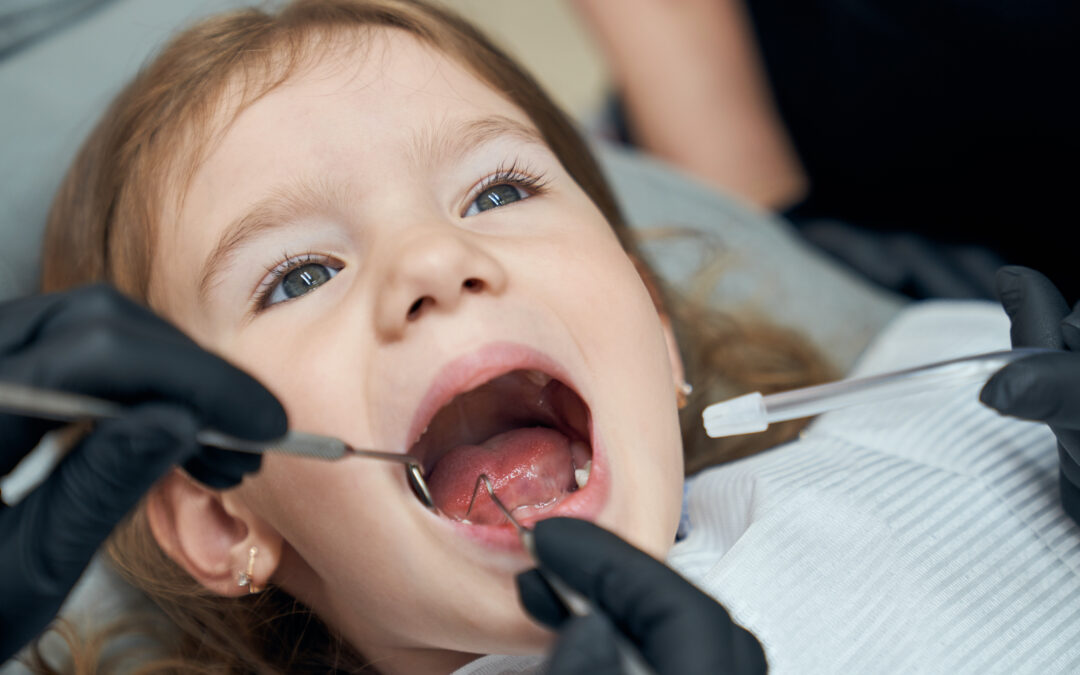
During routine dental visits, your pediatric dentist can assess whether thumb sucking and pacifiers are affecting your child’s teeth and offer guidance tailored to your child’s age and development.
We encourage parents to establish a dental home by 12 months so families can receive timely anticipatory guidance, including support with habits like pacifier use. More on first dental visit here!
Frequently Asked Questions About Thumb Sucking and Pacifier Use
Is thumb sucking bad for my child’s teeth?
Thumb sucking is normal in infancy and early toddlerhood and usually does not cause dental problems. However, if the habit continues beyond age 3–4, it may begin to affect tooth alignment or bite development. A pediatric dentist can help monitor changes over time.
Are pacifiers better or worse than thumb sucking?
From a dental standpoint, pacifier use can be easier to manage because it is a habit parents can control and remove. Thumb sucking can be harder to stop because the thumb is always available. Both habits can affect teeth if they persist long-term.
When should my child stop using a pacifier?
According to the American Academy of Pediatric Dentistry (AAPD), parents are encouraged to begin weaning pacifier use by around 18 months and aim to discontinue by age 3 to reduce the risk of bite changes.
Can thumb sucking or pacifier use cause permanent damage?
In many cases, dental changes caused by these habits can improve on their own if the habit stops early enough. Persistent habits beyond the preschool years may increase the likelihood of orthodontic concerns, which is why early evaluation is helpful.
How can I help my child stop thumb sucking or pacifier use?
Positive, supportive strategies work best. These include encouragement, praise for progress, limiting pacifier use gradually, and offering other comfort methods. Punishment or shaming is not recommended and may make habits harder to break.
When should I talk to a pediatric dentist about oral habits?
If thumb sucking or pacifier use continues beyond age 3, or if you notice changes in your child’s bite or tooth position, it’s a good idea to discuss this with your pediatric dentist during a routine visit.
Can thumb sucking or pacifier use affect my child’s airway?
Prolonged oral habits may influence tongue position and jaw development, which can affect how the airway develops over time. In some children, this may contribute to mouth breathing patterns. Early dental evaluation helps monitor these changes and support healthy oral and airway development.
From the Tooth Fairy
Thumb sucking and pacifier use are normal parts of early childhood. However, if these habits continue as your child grows, especially beyond age 3, your pediatric dentist can help evaluate whether they’re affecting tooth and jaw development.
Contact our office to schedule an evaluation or discuss healthy oral development.