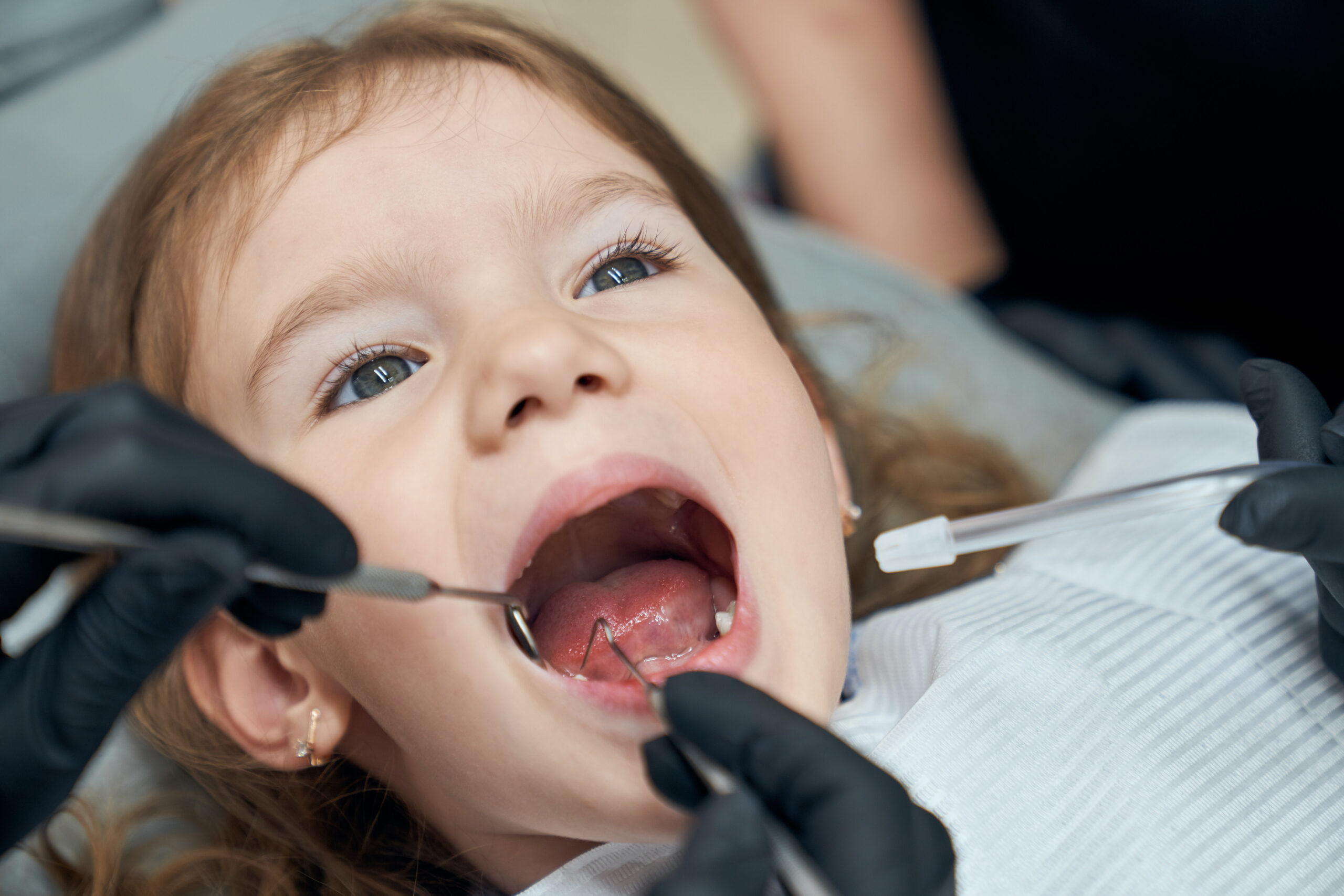
Baby Teeth Matter for Your Child’s Health
Many parents wonder if baby teeth are really that important since they eventually fall out. However, baby teeth play a critical role in your child’s oral health, development, and overall well-being. Understanding why baby teeth matter can help parents make informed decisions about their child’s dental care.
Why Baby Teeth Matter for Healthy Development
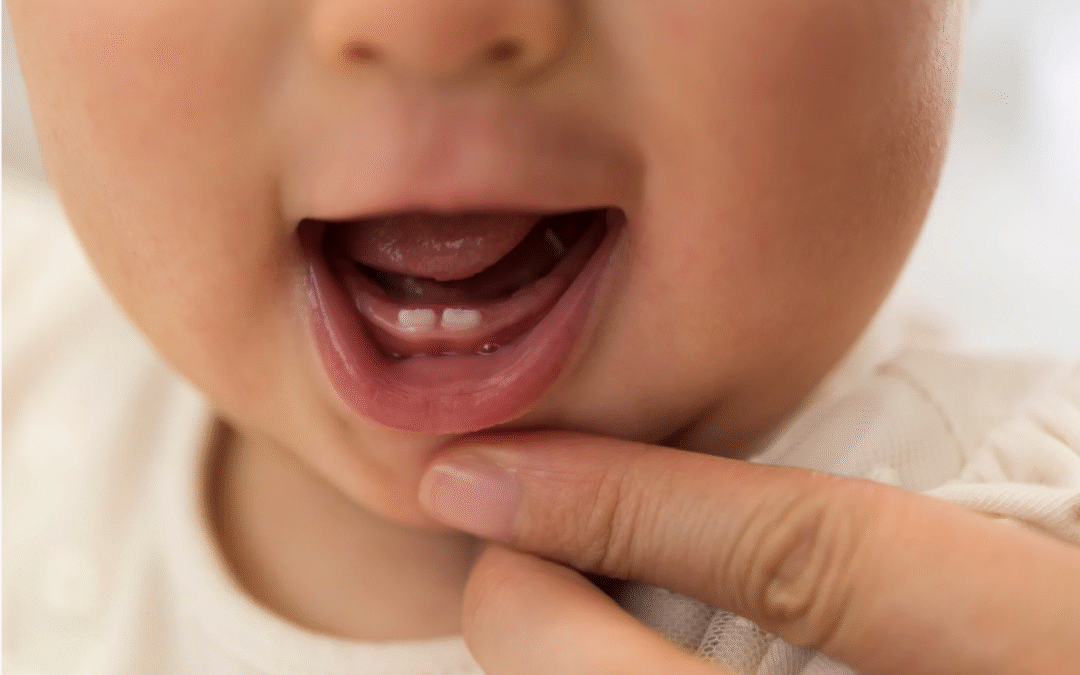
Baby teeth help children chew food properly, which supports good nutrition and healthy growth. They also help children learn to speak clearly as their tongue, lips, and teeth work together to form sounds.
In addition, baby teeth hold space for the permanent teeth developing underneath the gums. When baby teeth stay healthy until they naturally fall out, they help guide adult teeth into the correct position.
Why Baby Teeth Matter for Preventing Future Dental Problems
Even though baby teeth are temporary, cavities in baby teeth can still cause problems. Untreated cavities may lead to pain, infection, and difficulty eating or sleeping.
In some cases, early loss of baby teeth due to decay can allow neighboring teeth to shift into the empty space. This can make it harder for permanent teeth to erupt properly and may increase the likelihood of orthodontic problems later.
Because of this, pediatric dentists focus on prevention and early treatment to protect both baby teeth and the developing permanent teeth.
Why Baby Teeth Matter for Your Child’s Comfort and Confidence
Healthy teeth help children feel comfortable eating, smiling, and speaking. Dental pain or visible decay can affect a child’s confidence and daily activities.
Maintaining healthy baby teeth helps children develop positive experiences with dental care and encourages lifelong oral health habits.
How Parents Can Help Protect Baby Teeth
Parents can help keep baby teeth healthy by focusing on prevention and regular dental care. Important steps include:
-
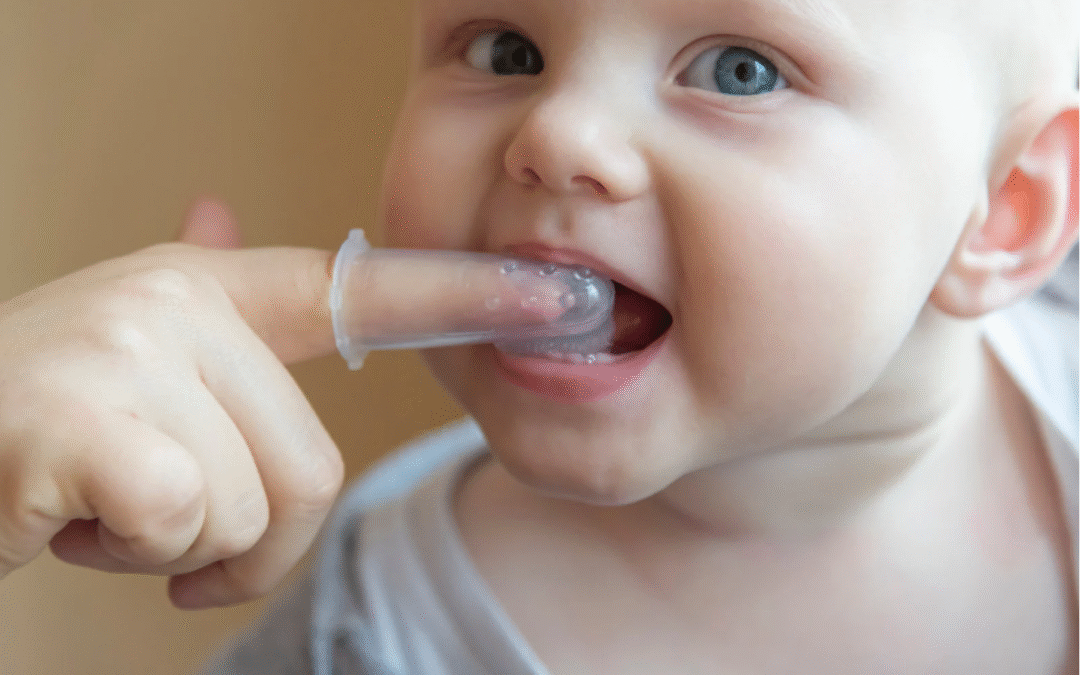
Brushing twice daily with age-appropriate toothpaste
-
Limiting sugary snacks and drinks
-
Encouraging water between meals
-
Scheduling routine dental checkups
You can also learn helpful brushing techniques for toddlers and older children in our article on tips for brushing little teeth.
-
The American Academy of Pediatric Dentistry emphasizes the importance of maintaining healthy primary teeth because they support proper chewing, speech development, and guidance for permanent teeth. You can learn more from the AAPD’s guidance on primary teeth and child oral health.
Frequently Asked Questions About Baby Teeth
Why do baby teeth matter if they fall out?
Baby teeth play an important role in a child’s development. They help children chew properly, speak clearly, and hold space for the permanent teeth that will grow in later. Healthy baby teeth help guide adult teeth into the correct position.
Do cavities in baby teeth need to be treated?
Yes. Cavities in baby teeth can cause pain, infection, and difficulty eating or sleeping. If untreated, they can also lead to early loss of baby teeth, which may affect how permanent teeth develop and erupt.
At what age do children start losing baby teeth?
Most children begin losing their baby teeth around age 6, although it can happen earlier or later depending on the child. The process usually continues until about age 11 or 12.
Can losing baby teeth too early cause problems?
Yes. When baby teeth are lost too early due to decay or injury, nearby teeth may shift into the empty space. This can make it harder for permanent teeth to come in correctly and may increase the need for orthodontic treatment later.
How can parents help keep baby teeth healthy?
Parents can help protect baby teeth by brushing their child’s teeth twice a day, limiting sugary snacks and drinks, encouraging water between meals, and scheduling regular dental checkups.
When should my child first see the dentist?
The American Academy of Pediatric Dentistry recommends that children visit the dentist by their first birthday or when the first tooth appears. Early visits help prevent cavities and support healthy dental development.
From the Tooth Fairy
Even though baby teeth eventually fall out, they play an essential role in your child’s development, comfort, and long-term oral health. Understanding why baby teeth matter helps parents prioritize prevention and early dental care to support healthy smiles as children grow.
If you have questions about your child’s dental development or cavity prevention, our office is happy to help guide you.