Tips for Brushing Little Teeth: From Toddlers to Tweens
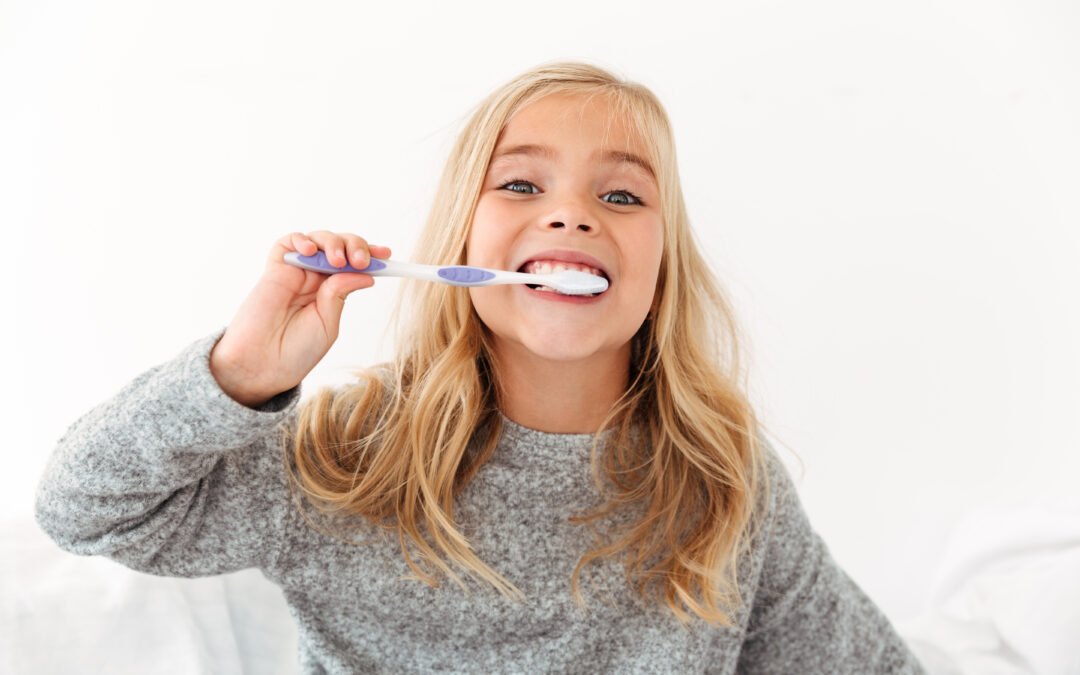
Brushing kids’ teeth may seem simple — until you’re actually trying to do it with a wiggly toddler or a stubborn tween. But helping your child build strong brushing habits early on makes a lifelong difference for their dental health.
Here are some age-based tips to help make brushing easier, more effective, and even a little fun.
Babies & Toddlers (Ages 0–3)
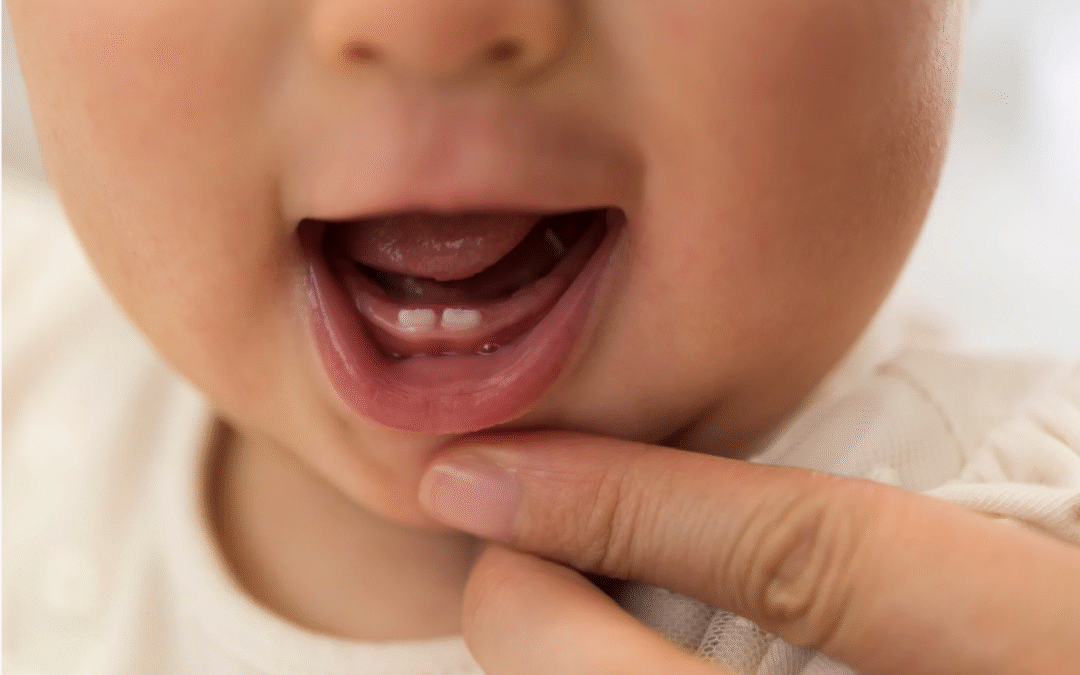
- Start early: Clean your baby’s gums with a soft, damp cloth before teeth erupt. Once the first tooth appears, begin brushing with a soft-bristled infant toothbrush.
- Use a smear: Just a grain-of-rice-sized smear of toothpaste is enough.
- Brush 2x/day: Morning and bedtime brushing builds consistency.
You’re in charge: At this age, brushing is 100% the parent’s job — even if they want to “help.”
What About Fluoride?
The American Academy of Pediatric Dentistry and the American Dental Association recommend using a tiny smear of fluoride toothpaste as soon as the first tooth appears. Fluoride helps prevent cavities by strengthening enamel, especially important for young children who are still developing brushing skills.
That said, we understand some families prefer to avoid fluoride, and we’re happy to discuss your options and work with you to find what feels right. There are also non-fluoride alternatives available, and we can help you choose the best tools for your child’s needs.
Preschool & Early Elementary (Ages 3–6)
- Pea-sized amount: Once your child can reliably spit, you can increase to a small pea-sized amount of toothpaste.
- You still brush: Let them try first, but you should always do the final “grown-up” brushing until they have the dexterity to do a thorough job (usually around age 7–8).
- Make it fun: Use songs, videos, or a timer to help kids brush for the full two minutes. Sticker charts and small rewards go a long way too!
Tweens & Beyond (Ages 7+)
- Supervise, but step back: Most kids can brush independently by this age, but spot-check occasionally and keep the routine consistent.
- Electric toothbrushes help: These can make brushing more effective and fun for kids who are easily distracted.
Talk about habits: Use this age to start building ownership over their health. Remind them how brushing affects not just cavities, but also fresh breath and confidence.
Bonus Tips
- Don’t skip flossing: Once teeth touch, it’s time to floss — even if your child is young. Floss picks can make it easier for small hands.
- Do a breath check: If you’re noticing morning breath or bleeding gums, it could be a sign that brushing isn’t quite enough.
Join in: Brushing as a family can model good habits and make the routine less of a chore
From the Tooth Fairy
Brushing isn’t always easy, but it’s one of the most important habits your child will learn — and it starts with your support. By sticking with it (even on the tough days) and making brushing a positive part of the daily routine, you’re setting your child up for a lifetime of healthy smiles.
Have questions or need help choosing the right toothbrush or toothpaste? We’re here to help.