Is Mouth Breathing Affecting My Child’s Health?
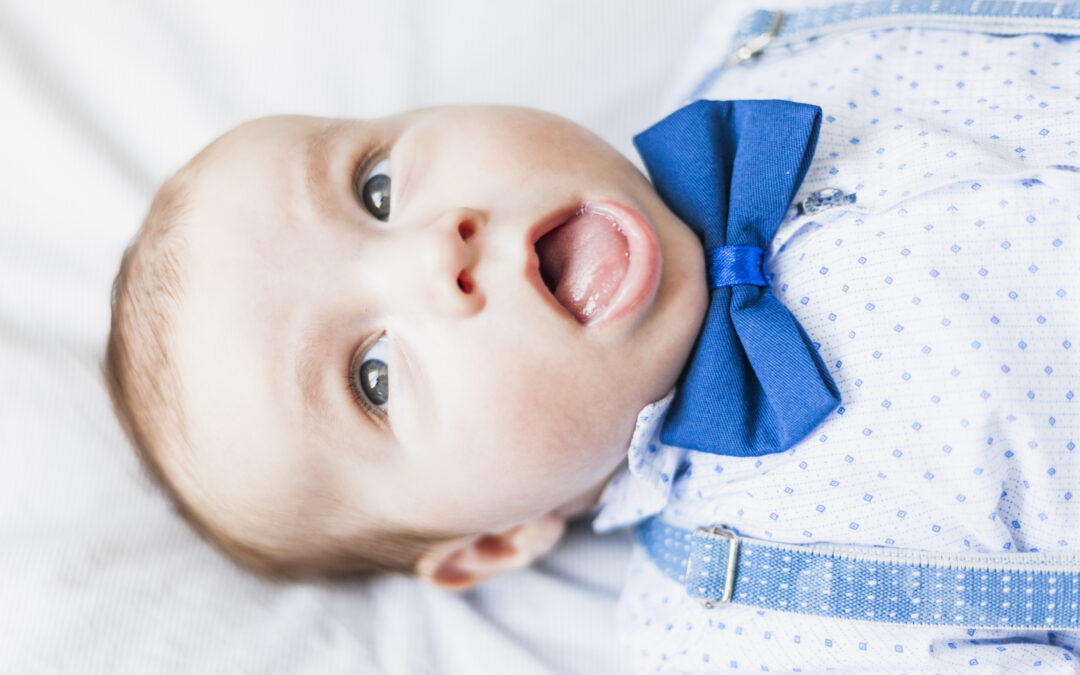
You may not think twice about how your child breathes, especially during sleep. But persistent mouth breathing can influence a child’s health, development, and behavior. Occasional mouth breathing is normal, especially during a cold but when it becomes habitual, particularly at night, it may signal an underlying issue.
What Is Mouth Breathing?
growing children, nasal breathing is ideal. Breathing through the nose helps filter and humidify air, supports healthy oxygen exchange, and plays an important role in jaw and facial development.
When mouth breathing becomes a regular pattern, it may affect sleep quality, oral health, and facial growth over time.
Signs Parents May Notice
-
Snoring or noisy breathing during sleep
-
Dry lips or dry mouth and consequently higher risk for cavities
-
Crowded teeth or narrow jaws
-
Dark circles under the eyes
-
Daytime tiredness or irritability
-
Difficulty concentrating
-
Teeth grinding during sleep
-
Bedwetting that continues beyond typical ages
-
A forward head posture or open-mouth resting position
Not every child with these signs has airway concerns, but they can be helpful clues that further evaluation may be beneficial.
Why Mouth Breathing Matters
Sleep and Behavior
Sleep-disordered breathing—including snoring and obstructive sleep apnea (OSA)—can affect sleep quality in children. Research has shown that children with sleep-disordered breathing may display symptoms such as difficulty concentrating, hyperactivity, or behavioral challenges. In some cases, these symptoms can resemble ADHD and may improve when underlying sleep issues are addressed.
Facial and Jaw Development
The tongue, lips, and breathing patterns all play a role in how the jaws and face develop during childhood. Persistent mouth breathing may influence facial growth patterns, sometimes contributing to narrow dental arches, crowding, or elongated facial profiles.
Oral Health
Breathing through the mouth can dry the oral tissues, reducing the protective effects of saliva. Saliva helps neutralize acids and wash away bacteria, so a consistently dry mouth may increase the risk of cavities, gum irritation, and bad breath.
Common Causes of Mouth Breathing in Children
Mouth breathing can have several possible causes, including:
-
Enlarged tonsils or adenoids
-
Chronic nasal congestion or allergies
-
Structural nasal blockage
-
Tongue-tie or oral motor limitations
-
Habitual thumb sucking or prolonged pacifier use
-
Narrow jaw or palate development
Identifying the underlying cause helps guide the most appropriate treatment approach.
What Parents Can Do
If you notice signs of persistent mouth breathing—especially during sleep—it’s worth mentioning to your child’s pediatrician or dentist. Early evaluation can help determine whether the breathing pattern is related to allergies, airway obstruction, oral habits, or jaw development.
Depending on the cause, recommendations may include:
-
Allergy management
-
Evaluation by an ENT specialist
-
Orthodontic expansion
-
Myofunctional therapy
-
Monitoring growth and development over time
How We Evaluate Airway Health
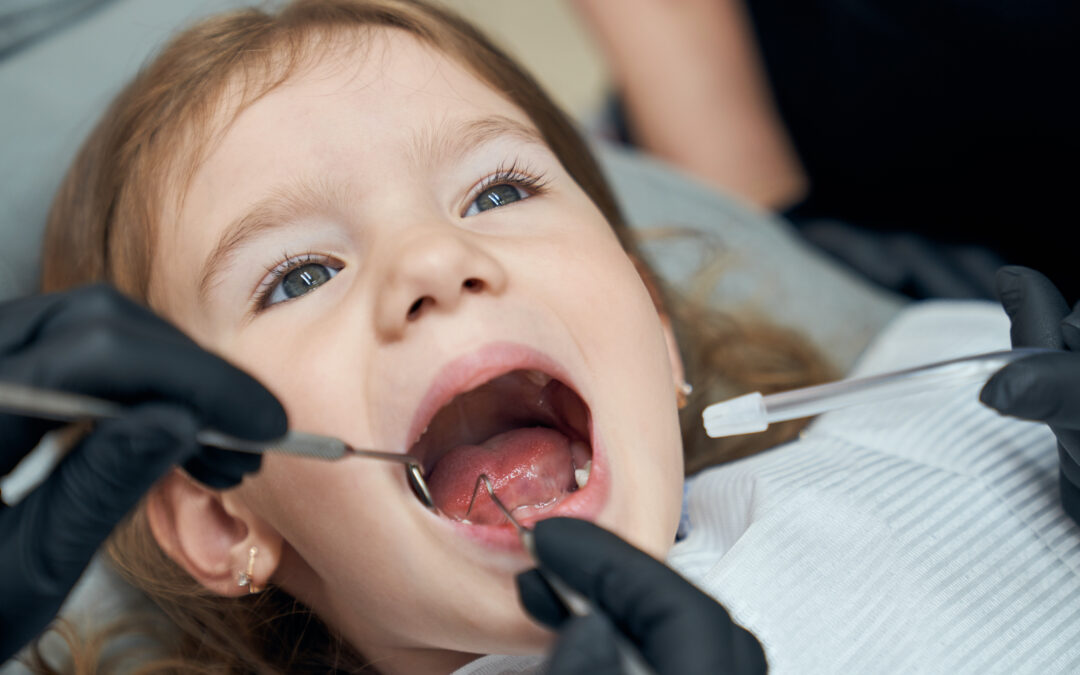
Because breathing patterns can influence oral and facial development, airway health is an important part of a child’s overall dental evaluation.
At Pediatric Dental Arts, we assess signs that may suggest airway or breathing concerns and evaluate how they relate to your child’s oral development. When appropriate, we collaborate with specialists such as orthodontists, ENT physicians, and myofunctional therapists to help support healthy breathing and growth.
The American Academy of Pediatric Dentistry (AAPD) encourages healthcare professionals to routinely screen children for increased risk of obstructive sleep apnea and facilitate medical referral when indicated. Parents can learn more in the AAPD policy on obstructive sleep apnea.
Frequently Questions on Mouth Breathing and Sleep Apnea in Children
Can mouth breathing affect my child’s sleep?
Yes. Persistent mouth breathing can be associated with sleep-disordered breathing, including obstructive sleep apnea. Poor sleep quality may contribute to daytime tiredness, irritability, difficulty concentrating, and behavioral concerns.
What are common signs of sleep-disordered breathing in children?
Signs can include loud snoring, mouth breathing, dry mouth on waking, unusual sleep positions, restless sleep, attention problems, and bedwetting. The AAPD also notes that poor school performance, aggressive behavior, and developmental concerns may be seen in some children with untreated sleep apnea.
What causes mouth breathing in children?
Mouth breathing can happen for different reasons. Common causes include enlarged tonsils or adenoids, allergies or nasal congestion, airway narrowing, and certain craniofacial or oral development factors.
When should I bring up mouth breathing with my child’s dentist or pediatrician?
If your child snores regularly, breathes through the mouth during the day or night, seems hard to wake, has restless sleep, or shows daytime fatigue or attention concerns, it is worth mentioning. The AAPD encourages healthcare professionals to routinely screen children for increased risk of obstructive sleep apnea and facilitate referral when indicated.
How is a child evaluated for possible sleep-disordered breathing?
Evaluation often starts with a health history and clinical exam, including questions about snoring, breathing during sleep, bedwetting, daytime sleepiness, and mouth breathing. If risk is suspected, referral to a medical specialist may be recommended for further assessment, including a sleep study when appropriate.
From the Tooth Fairy
Mouth breathing isn’t always just a habit—it can sometimes be a sign that a child’s airway or breathing pattern needs attention. The good news is that early identification allows for early support, which may improve sleep, learning, behavior, and long-term oral development.
If you have questions about your child’s breathing, sleep, or oral development, we’re always happy to talk.