Pediatric Dentist vs General Dentist?
Parents often wonder: “Does my child really need a pediatric dentist, or can they just see our family dentist?” While both are licensed professionals who can treat teeth, there are key differences in training, approach, and environment, and those differences can make a big impact on your child’s dental experience.
1. Specialized Training for Children
Pediatric dentists complete 2–3 extra years of specialized residency training after dental school, focusing entirely on the needs of infants, children, and teens. This includes:
- Child psychology and behavior guidance
- Growth and development of the face and jaw
- Dental care for children with special healthcare needs
- Pediatric sedation techniques
- Managing dental trauma in children
What We’ll Do During the Visit
The first visit is customized based on your child’s age, development, and comfort level. There’s no one-size-fits-all but typically, we’ll:
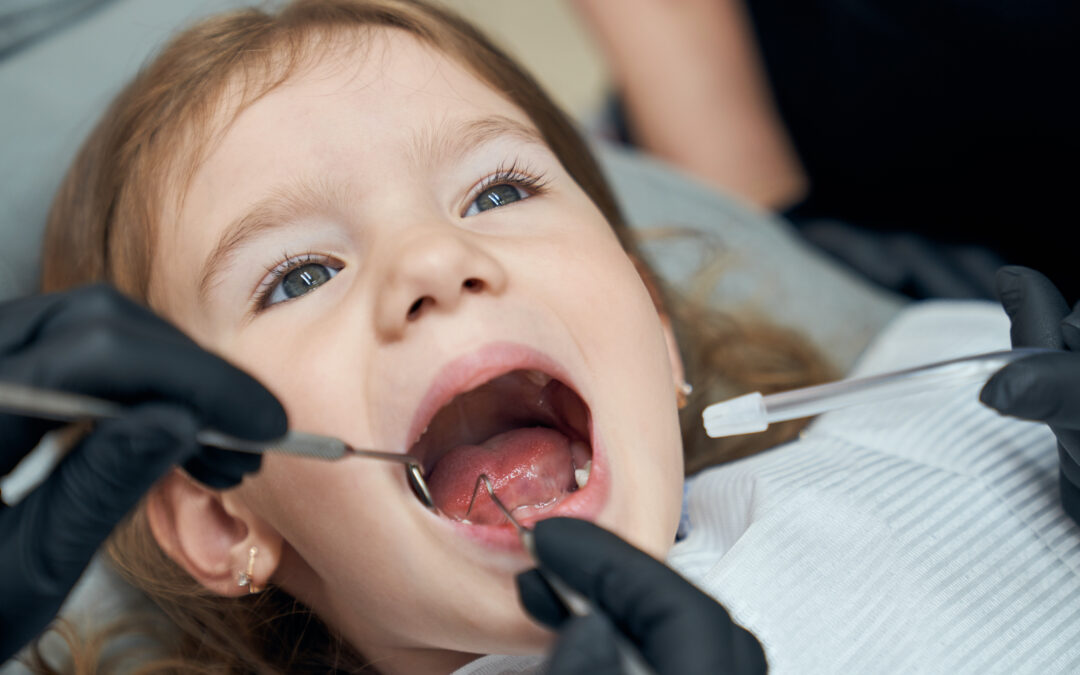
- Examine your child’s teeth, gums, tongue, and the rest of their mouth to make sure everything is healthy
- Discuss brushing, nutrition, teething, thumb habits, and more
- Talk about what to expect as their smile grows
- Answer all your questions — big or small
- If your child is ready, we may do a gentle cleaning and fluoride treatment
We’ll also guide you on how to care for your child’s teeth at home and what to expect at future visits.
2. Kid-Friendly Approach (Behavior, Not Just Teeth)
Pediatric dentists are not only skilled at treating little teeth — they’re trained to understand child behavior, fears, and development, which helps them create a calm, positive experience for kids.
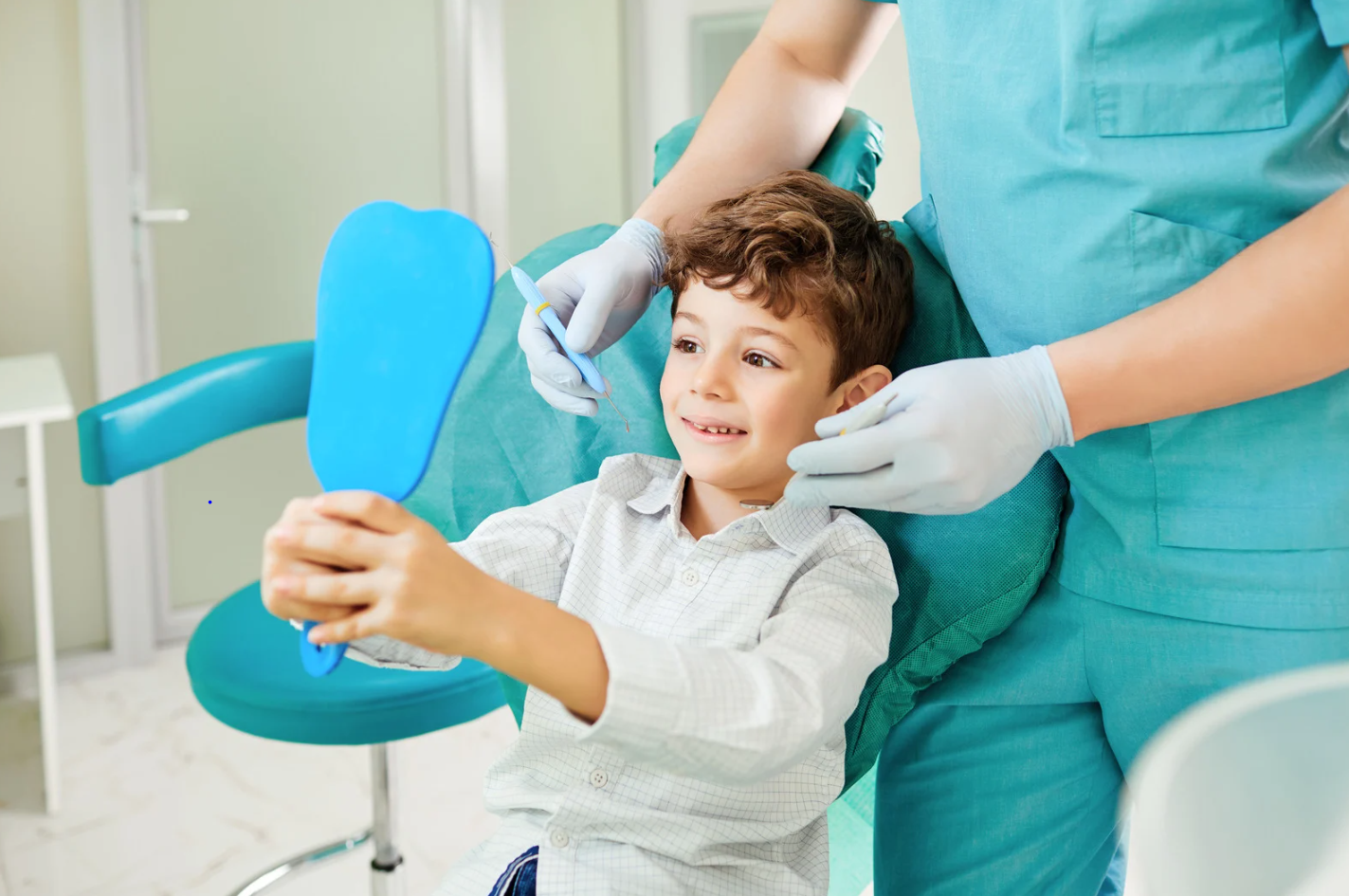
- Visits are paced for a child’s comfort
- Communication is age-appropriate
- The environment is often quieter, gentler, and more flexible
- Techniques like “tell-show-do” or positive reinforcement are part of every appointment
This helps build trust and prevent dental anxiety from forming early on.
3. Pediatric Environments Are Designed Just for Kids
Pediatric offices are built with children in mind — from the waiting room to the tools we use. This includes:
- Smaller instruments for tiny mouths
- Comfortable seating for children and parents
- Visual distractions like TVs or ceiling art
- Calming colors and quieter spaces (especially helpful for children with sensory sensitivities)
This setting helps make visits feel safe and even fun, not scary.
4. Care That Grows with Your Child
Pediatric dentists focus on age-specific care, from baby teeth to teenage smiles. We:
- Monitor facial development
- Help guide proper habits and oral hygiene
- Address early orthodontic concerns
- Support teens with sports mouth guards, diet changes, or braces-related hygiene
5. Experience with Special Needs & Medically Complex Patients
Pediatric dental residencies include training in caring for children with autism spectrum disorder, ADHD, cerebral palsy, sensory sensitivities, and other medical conditions. These visits may require extra time, coordination, and care planning — something pediatric dentists are uniquely equipped to provide
From the Tooth Fairy
If your child is very young, anxious, or has unique medical or developmental needs, seeing a pediatric dentist can make a big difference in how they experience dental care.
Just like you choose a pediatrician for your child’s medical care, a pediatric dentist offers dental care tailored to their age, behavior, and growth.
We’re here not just to treat, but to teach, comfort, and grow with your family